Saturday, 04 April 2026
Ramadan Fasting Laws

Legal Consequences of Public Non-Fasting During Ramadan in Arab Countries

A comparative look at how Arab countries regulate and penalize public non-fasting during the holy month of Ramadan.
Published: Friday, February 20, 2026
Legal Consequences of Public Non-Fasting During Ramadan in Arab Countries

Publicly breaking the fast during the holy month of Ramadan often provokes strong reactions among those observing it, given the sacred status of the month as one of the five pillars of Islam. As a result, debate over public non-fasting resurfaces each year with the sighting of the Ramadan crescent.

Governments across the region differ in how they address the issue. While some impose legal penalties on those who openly eat or drink during fasting hours—citing the need to protect religious sentiments—others argue that the right not to fast should be treated as a matter of personal freedom.

In Saudi Arabia, authorities tasked with promoting virtue and preventing vice have historically pursued individuals who publicly break the fast. Penalties vary depending on the circumstances and judicial discretion, and may include imprisonment or corporal punishment. Foreign nationals may also face deportation.
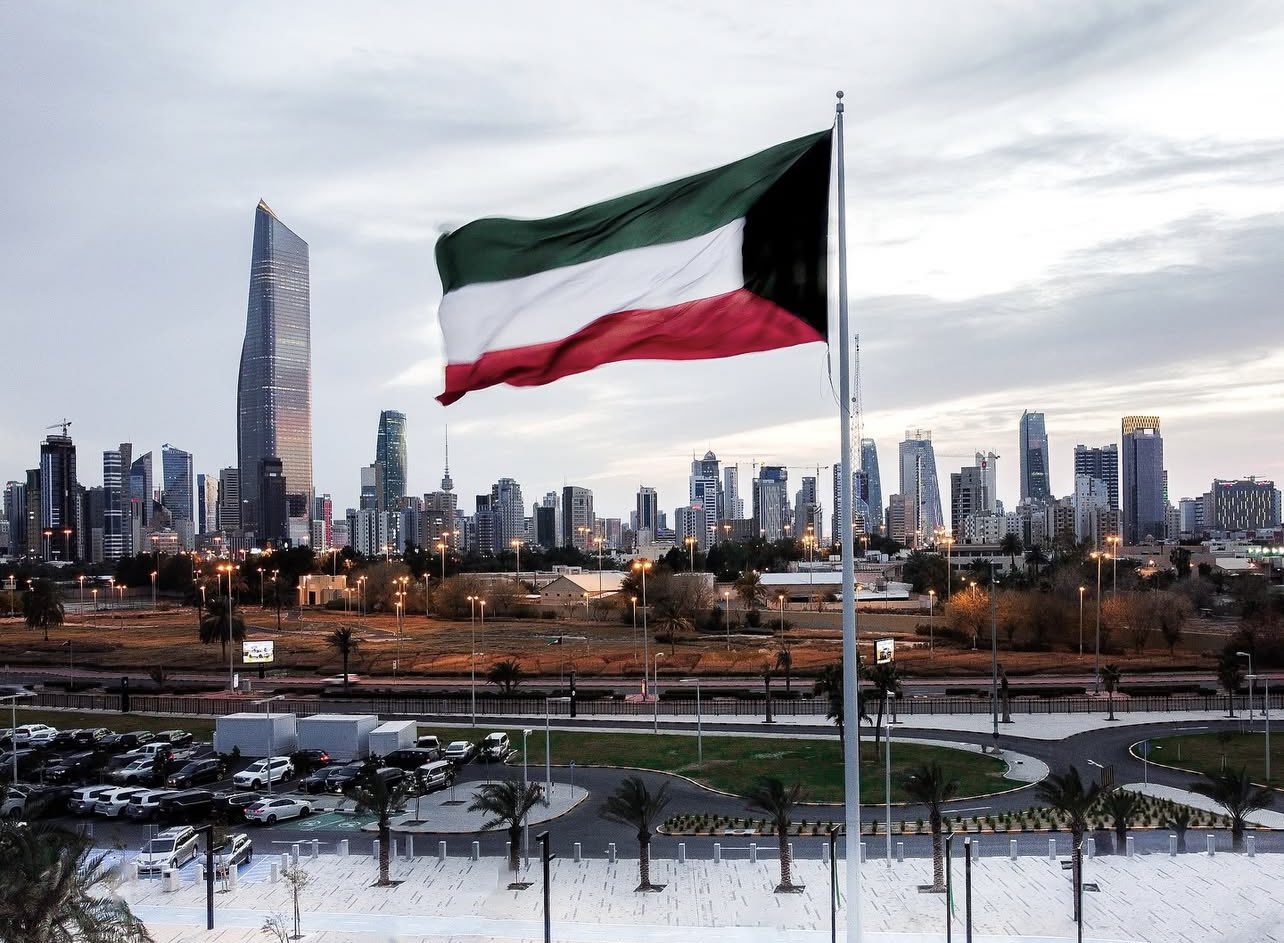
Kuwaiti law stipulates a fine not exceeding 100 Kuwaiti dinars (approximately $331), imprisonment for up to one month, or either penalty for anyone who publicly breaks the fast during Ramadan. The same penalties apply to those who incite or assist in such acts. Businesses used for this purpose may be closed for up to two months. The government issues an annual statement underscoring the sanctity of Ramadan, and restaurants and public eateries close during fasting hours under Law No. 44 of 1968.

In Qatar, the law criminalizes publicly breaking the fast during Ramadan. Offenders may face imprisonment for up to three months, a fine of approximately $824, or one of the two penalties.

Omani law, under provisions addressing public indecency, imposes a short-term custodial sentence or a fine ranging from one to five Omani riyals (around $13), or both, on Muslims who publicly break the fast without a legitimate excuse.

In the United Arab Emirates, publicly breaking the fast is considered an offense that infringes upon religious values. Penalties include imprisonment for up to one month or a fine of approximately $544.

In Bahrain, publicly eating or drinking during fasting hours constitutes a misdemeanor punishable by more than three months in prison, and law enforcement officers are authorized to detain violators.

Beyond the Gulf region, Iraq imposes a five-day prison sentence for publicly breaking the fast, with exemptions for the sick and travelers. Yemen’s penal code does not explicitly criminalize public non-fasting, though individuals may be detained under public decency or blasphemy provisions.

In Egypt, Dar Al-Ifta has stated that a Muslim who believes in God and the Last Day should not openly break the fast without valid excuse, describing such behavior as disrespectful to a collective religious observance. The institution recommends addressing such cases through advice and moral guidance, while allowing authorities to adopt measures preventing public violations in streets and public squares.

Jordanian law prescribes up to one month in prison and a fine of approximately $35 for publicly breaking the fast. The same legal framework applies in Palestine, though reported cases remain limited. Prior to the war in Syria, no specific law criminalized public non-fasting, though restaurants typically closed during the day in Muslim-majority areas, while Christian-owned establishments often operated without issue.

In Lebanon, there is no formal legal prohibition against public eating during Ramadan. However, in predominantly Muslim areas, restaurants generally close during fasting hours, and public non-fasting is widely viewed as socially inappropriate.

In the Comoros and Somalia, publicly breaking the fast is criminalized. In some parts of Somalia, penalties can be severe, though enforcement and legal provisions vary by region. In other areas, while no formal law exists, strong social norms discourage public non-fasting without valid reason.

Singapore Airlines Extends Dubai Flight Suspensions Amid Middle East Tensions

Published: Thursday, April 02, 2026
Singapore Airlines Extends Dubai Flight Suspensions Amid Middle East Tensions

Singapore Airlines has announced that its Dubai services will remain suspended through May 31 due to ongoing geopolitical tensions in the Middle East. The affected flights are SQ494 from Singapore to Dubai and SQ495 from Dubai to Singapore.

The airline described the situation as “fluid,” warning that further disruptions across its network are possible. Passengers are advised to monitor flight updates through Singapore Airlines’ official Flight Status page.

Those impacted by the cancellations will be offered alternative travel arrangements or full refunds. “Customers affected by the flight cancellations will be reaccommodated on alternative flights or can seek a full refund of the unused portion of their ticket,” the airline stated.

The extension comes amid wider operational challenges in the region. Several Middle Eastern carriers, including Emirates, Etihad, flydubai, and Air Arabia, continue to operate limited or unscheduled flights through designated safe air corridors. Meanwhile, Qatar Airways remains gradually restoring services to and from Doha, aiming to reach over 120 destinations by mid-May.

Source: GULF NEWS

Qatar Airways Announces Limited Flight Operations with Flexible Booking Options

Published: Thursday, March 19, 2026
Qatar Airways Announces Limited Flight Operations with Flexible Booking Options

Qatar Airways has announced that it will operate a reduced number of flights between 18 March and 28 March 2026, as part of a temporary adjustment to its schedule. The airline confirmed that select destinations are now available for booking through its official website, mobile application, and authorized travel agents.

To support passengers during this period, the airline has introduced simplified options for managing travel plans. Customers can modify their bookings independently through the “Manage Booking” feature on the Qatar Airways website. In addition, travellers can access personalised assistance via the airline’s live chat service to rebook onto available flights.

For those whose travel plans have changed, Qatar Airways has also made the refund process more accessible. Passengers may request a refund for the unused portion of their ticket by submitting an online application form.

The airline has advised customers to check the latest updates and seek booking-related assistance through its official travel updates page: http://qatarairways.com/travelupdates.

Hamad Airport Issues New Arrival Advisory for Departing Passengers

Published: Thursday, March 19, 2026
Hamad Airport Issues New Arrival Advisory for Departing Passengers

Passengers traveling from Hamad International Airport (DOH) in Doha have been urged to follow updated arrival recommendations aimed at improving operational efficiency and reducing congestion at the terminal. Authorities have advised that travelers should not arrive at the airport more than four hours prior to their scheduled departure time.

Officials stressed that only passengers with confirmed flight bookings should make their way to the airport, underscoring the importance of avoiding unnecessary crowding in departure areas. The advisory comes as part of broader efforts to ensure a smoother and more organized travel experience for all passengers.

Travelers are also being encouraged to check the status of their flights before leaving for the airport. This can be done through the Qatar Airways official website or its mobile application, allowing passengers to stay informed about any schedule changes or updates.

The airport’s guidance highlights a continued focus on maintaining efficient passenger flow while ensuring that facilities are used effectively, particularly during peak travel periods.

Winter Travel Tips: A Complete Guide for a Smooth and Memorable Trip

Published: Wednesday, March 18, 2026
Winter Travel Tips: A Complete Guide for a Smooth and Memorable Trip

Winter is one of the most popular seasons for travel, offering comfortable weather and a festive atmosphere. With schools closed and holidays in full swing, many families and groups plan trips during this time. However, a successful journey depends not only on the destination but also on proper preparation.

Here is a comprehensive guide to winter travel preparation:

Selecting Your Destination

Before traveling, decide where to go based on your budget, trip duration, travel companions, and preferences—whether you enjoy mountains, beaches, forests, or rivers. Also consider the facilities available at your destination.

Choosing Transportation

Selecting the right mode of travel is crucial. Options include bus, train, plane, or private vehicle. During peak seasons, trains or flights may be more convenient to avoid heavy traffic. Safety should always be the top priority.

Booking Accommodation

Accommodation plays a key role in your travel experience. Choose a place based on your budget, group size, comfort level, and security. Booking in advance is highly recommended, especially during holidays when demand is high.

Do Proper Research

Research your destination thoroughly. Make a list of places to visit, understand the weather, and gather information about emergency services such as hospitals, police stations, and tourist helplines. If possible, connect with locals for better insights.

Packing Essentials

Pack according to your destination and trip length. Avoid overpacking and focus on essential items. Prepare a checklist to ensure you don’t forget important belongings.

Winter Clothing Guide

Wear warm, insulated clothing suitable for cold weather. Items such as scarves, gloves, socks, and caps are useful. Choose comfortable and lightweight outfits, and consider the environment and culture when selecting clothes.

Carry Important Devices

Take essential gadgets like your mobile phone, charger, power bank, and camera. Additional items such as a flashlight, extra batteries, and adapters can be helpful, especially in remote areas.

Health and Medication

Winter travel can lead to common illnesses like colds, fever, or digestive issues. Carry basic medicines, first aid supplies, and personal prescriptions. Also use sunscreen and skincare products to protect against dryness and sun exposure.

Budget Planning

Plan your travel budget in advance and keep extra funds for emergencies. Use secure payment methods such as debit or credit cards and mobile banking. Carry small denominations for convenience.

Food and Hygiene

Choose hygienic food options and try local cuisine for an authentic experience. Avoid overly oily or unhealthy foods, and carry dry snacks and safe drinking water.

Keep Important Items Handy

Always carry essential items such as identification documents, copies of important papers, extra cash, and a water bottle.

Safety Measures

Stay alert during travel. Keep valuables secure, avoid unknown areas at night, and be cautious with strangers. Inform family members about your travel plans and location.

Additional Practical Tips

  • Plan your daily itinerary to save time
  • Travel in groups for better safety and cost-sharing
  • Check your vehicle before long trips
  • Avoid peak travel periods to reduce expenses
  • Keep emergency contact numbers accessible
  • Label your luggage with your name and contact details

With careful planning and the right precautions, winter travel can be both enjoyable and stress-free. A well-prepared journey ensures comfort, safety, and unforgettable memories.

Qatar Extends Complimentary Hotel Stays for Stranded Visitors Until March 14

Published: Saturday, March 14, 2026
Qatar Extends Complimentary Hotel Stays for Stranded Visitors Until March 14

Qatar Tourism has confirmed that visitors impacted by recent travel disruptions will continue to receive complimentary hotel accommodations until March 14, 2026, providing additional time for travelers to arrange their return journeys.

The extension is part of a temporary support initiative introduced to assist tourists whose travel plans were affected by exceptional circumstances. The program ensures that eligible visitors have a safe and comfortable place to stay while they work on securing alternative flights.

Under the measure, travelers whose flights were canceled or disrupted from February 28 onward have been granted extended stays in licensed hotels across Qatar. The support package includes accommodation in the same room category as their original booking, along with three daily meals.

The initiative is being implemented through coordination between Qatar Tourism and local hospitality partners to ensure affected visitors receive necessary assistance during the disruption period.

Visitors are expected to complete their travel arrangements by March 14. Those needing further support are advised to contact their hotel concierge or reach out to the Qatar Tourism hotline at 106